The Ultimate Guide to Battle-Ready Katanas
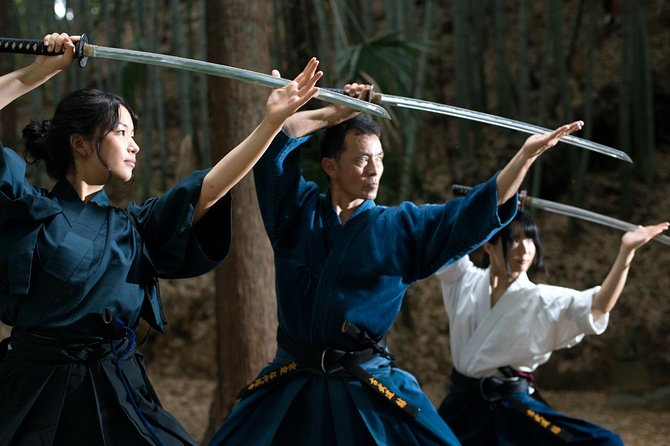
The katana is a weapon that represents a historical narrative, combining fire and steel with centuries of traditional practices. More than just a blade, the samurai sword is a symbol of Japanese culture, an embodiment of the warrior’s soul, and a testament to masterful artistry. For martial artists, collectors, and history buffs, owning a true katana is like holding a piece of living history.
This guide is for those who seek more than a decorative piece. We will explore the world of functional, high-quality, battle-ready katanas. You will learn what separates a mere replica from a genuine weapon, what factors to consider before making a purchase, and how to care for your blade. By the end, you’ll be equipped with the knowledge to select a Japanese sword that honors its legacy.
Understanding the Katana
The katana’s origins trace back to the Kamakura period (1185-1333) in Japan. Its curved blade was designed for swift, decisive cuts, making it the preferred weapon of the samurai. The katana sword maintains its position as Japan’s most revered weapon through its curved blade, full-tang construction, and distinctive circular or squared guard (tsuba).
A battle-ready katana is defined by its materials, construction, and balance. These are not wall hangers; they are functional weapons crafted to perform.
- Materials and Construction:A true battle-ready katana begins with high-carbon steel, which is expertly forged and heat-treated to create a hard edge (ha) and a softer, more resilient spine (mune). This differential hardening is what produces the visible temper line, or hamon, a key indicator of authentic craftsmanship.
- Sharpness and Balance:A functional katana must be razor-sharp. The geometry of the blade is optimized for cutting. Equally important is the balance. A well-balanced sword feels like an extension of your arm, allowing for fluid and precise movements.
- Decorative vs. Functional:Many swords on the market are purely decorative. They are often made from stainless steel, which is brittle and cannot withstand the impact of cutting. These swords may look appealing, but they lack the full-tang construction and proper heat treatment of a functional katana. Using a decorative sword for practice is extremely dangerous. A battle-ready katana, by contrast, is built for use.
Factors to Consider When Choosing a Katana
Selecting the right samurai katana requires careful consideration of its components. Each element contributes to the sword’s performance, feel, and authenticity.
Blade Material
The soul of the katana is its steel. High-carbon steel is essential for a functional blade. Common types include:
- 1060 Carbon Steel:A great choice for beginners. It’s durable, holds a good edge, and is relatively easy to maintain.
- 1095 Carbon Steel:This steel has a higher carbon content, allowing for a harder and sharper edge. It’s often used in clay tempering to create a beautiful and distinct hamon.
- T10 Tool Steel:Known for its exceptional toughness and edge retention, T10 is a premium material often favored for its performance in cutting practice (tameshigiri).
Construction Method
The way the steel is worked determines its purity and strength.
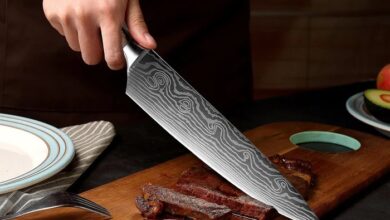
- Folded Steel (Damascus):This traditional method involves folding the steel multiple times during the forging process. This removes impurities and creates a beautiful, layered grain pattern on the blade (hada). While modern steel doesn’t require folding for purification, it remains a hallmark of high-end craftsmanship.
- Non-Folded Steel (Mono-steel):Modern mono-steel blades, when properly forged and heat-treated, offer excellent performance and durability. They are often more affordable than folded steel katanas.
Tang (Nakago) and Handle (Tsuka)
The tang is the part of the blade that extends into the handle.
- Full Tang:A battle-ready katana must have a full tang. This means the tang is a solid, integral piece of the blade that extends nearly the full length of the handle, secured by one or two bamboo pegs (mekugi). This construction ensures the blade won’t detach from the handle during use.
- Tsuka:The handle should be wrapped tightly with ray skin (samegawa) and cord (tsuka-ito). This provides a secure and comfortable grip.
Fittings (Koshirae)
The fittings not only add to the sword’s beauty but also serve functional purposes.
- Tsuba (Guard):The guard protects the hand. It can be simple or ornate, often made of iron, copper, or brass.
- Kashira (Pommel) and Fuchi (Collar):These pieces cap the ends of the handle, reinforcing its structure.
Blade Length and Weight
The standard blade length (nagasa) for a katana is around 27-29 inches. Your height and arm length should influence your choice. A properly sized katana will feel balanced and manageable. The weight should also be considered; a heavier sword may offer more cutting power but can be fatiguing to wield.
Recommended High-Quality, Battle-Ready Katanas
For those ready to invest in a true piece of craftsmanship, Makoto Katanas stand out. Makoto Swords are known for their commitment to traditional techniques and high-quality materials, making them an excellent choice for martial artists and serious collectors.
One highly recommended model is the Makoto 1095 Clay Tempered Katana.
- Blade Material:Forged from 1095 high-carbon steel, this blade is capable of holding an incredibly sharp edge.
- Construction:The blade is traditionally clay-tempered, a process where a special clay mixture is applied to the blade before quenching. This results in a hard cutting edge and a softer spine, producing a genuine, beautiful hamon.
- Fittings:It features a full tang, a silk-wrapped tsuka over genuine ray skin, and high-quality iron or brass fittings. The craftsmanship ensures a solid, reliable feel.
- Key Features:The combination of premium 1095 steel and authentic clay tempering makes this Makoto katana a superb cutting sword that also showcases the timeless artistry of Japanese sword-making. It embodies the spirit of a true samurai sword.
Caring for Your Katana
Proper maintenance is crucial for preserving the integrity and beauty of your Japanese sword. A neglected blade can rust and lose its edge.
- Cleaning:After each use (even just handling), wipe the blade clean with a soft cloth to remove fingerprints and debris. Use a traditional cleaning kit, which includes rice paper (nuguigami), a powder ball (uchiko), and sword oil (choji oil).
- Oiling:Apply a thin, even coat of choji oil to the entire blade. This protects the steel from moisture and prevents rust. Re-oil your blade every 1-3 months, depending on your climate.
- Storage:Store your katana horizontally, with the cutting edge facing up, in its scabbard (saya). This prevents the blade from dulling against the inside of the saya. Keep it in a dry, climate-controlled environment.
Safety Precautions: A battle-ready katana is not a toy. Always handle it with respect and awareness. Ensure you have proper training before attempting any cutting practice. Keep it out of reach of children and untrained individuals.
Begin Your Journey
Choosing a battle-ready katana is a significant decision. It’s an investment in a piece of cultural heritage, a functional tool for martial arts, and an object of incredible artistry. By understanding the key characteristics—from the steel and construction to the fittings and balance—you can make an informed choice. Remember to prioritize a full tang, high-carbon steel, and quality craftsmanship from reputable makers like Makoto Swords.
We encourage you to continue your research, consult with experts, and find the samurai sword that speaks to you. A well-chosen katana will be a source of pride and a connection to a legendary warrior tradition for years to come.