Sustainability at Mattel: What the Toy Giant is Doing to Help the Planet
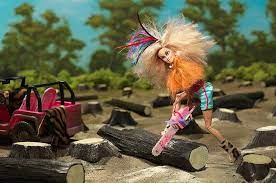
As a household name in the toy industry, Mattel has long been associated with beloved brands like Barbie, Hot Wheels, and Fisher-Price. However, in recent years, the company has taken significant steps to align its operations with environmental sustainability. From reducing plastic waste to promoting circular design, Mattel is actively working to minimize its ecological footprint and inspire positive change in the toy industry. With a growing emphasis on ethical and sustainable practices, the company is setting the stage for a greener future in a traditionally resource-intensive industry. Through its commitment to sustainability, Mattel is not only leading the way but also encouraging other corporations to follow suit in making environmentally-conscious choices.
A Commitment to Sustainable Materials
Mattel has set ambitious goals to achieve 100% recycled, recyclable, or bio-based plastic materials in its products and packaging by 2030. This commitment reflects the company’s dedication to reducing its reliance on virgin plastics and promoting the use of sustainable materials throughout its product lines (corporate.mattel.com). The move toward bio-based plastics and other renewable alternatives represents a significant step toward reducing the environmental impact of toy production. By prioritizing sustainable materials, Mattel is fostering a culture of innovation and responsibility within the industry.
Circular Design and Product Stewardship
Incorporating principles of circular design, Mattel strives to create products that can be reused, refurbished, or recycled at the end of their life cycle. This approach not only reduces waste but also encourages consumers to participate in the sustainable lifecycle of their toys. By designing with the end in mind, Mattel aims to extend the life of its products and minimize their environmental impact (corporate.mattel.com). Additionally, the company is investing in technologies that enable more efficient recycling processes, ensuring that materials can be reused rather than discarded. This forward-thinking approach helps close the loop and reduces the need for raw materials.
Reducing Greenhouse Gas Emissions
Mattel has launched an internal Greenhouse Gas (GHG) Reduction Roadmap, consisting of 25 core initiatives aimed at reducing Scope 1 and 2 GHG emissions. These initiatives include actions to reduce energy demand, increase the use of renewable energy sources, and improve energy efficiency across its operations. Since 2019, the company has achieved a 14% reduction in absolute Scope 1 and 2 GHG emissions, demonstrating its commitment to mitigating climate change (smartenergydecisions.com). The company also works with suppliers to help reduce emissions across the supply chain, amplifying the positive impact of its efforts. Through these initiatives, Mattel is playing a key role in the global push to lower carbon footprints.
The Mattel PlayBack Program
To promote recycling and reduce waste, Mattel introduced the PlayBack program, allowing consumers to return old Mattel toys for recycling. This initiative helps keep toys and materials in circulation longer, reducing the need for new raw materials and minimizing landfill waste. The program currently accepts toys from brands like Barbie, Fisher-Price, Matchbox, and MEGA, and is available in several countries, including the United States, Canada, France, Germany, and the United Kingdom (sustainabilitymag.com). By offering a convenient way for consumers to recycle toys, Mattel is making it easier for families to contribute to a circular economy. This program also serves as an educational tool, raising awareness about the importance of recycling and sustainable consumption.
Eco-Friendly Product Lines
Mattel’s commitment to sustainability is evident in its product offerings. For instance, the Fisher-Price Planet Friends line features animal toys made from 80-90% post-consumer recycled plastic and packaged in Forest Stewardship Council (FSC)-certified materials. Similarly, the Matchbox Tesla Roadster is made from 99% recycled materials and is certified carbon neutral, showcasing Mattel’s dedication to producing eco-friendly toys without compromising on quality or play value (toybook.com, forbes.com). Mattel’s innovative designs show that sustainability and playability are not mutually exclusive, offering children eco-friendly options that are both fun and responsibly made. This demonstrates the company’s ability to balance environmental stewardship with maintaining the high-quality standards that consumers expect.
Transparency and Collaboration
Recognizing that achieving sustainability goals requires collective effort, Mattel collaborates with non-governmental organizations, industry peers, and experts to drive systemic change. The company maintains transparency by sharing its sustainability progress, challenges, and achievements with stakeholders and the public, fostering trust and accountability in its environmental initiatives (theicons.net). Furthermore, Mattel is committed to continuous learning, engaging with industry leaders to refine and enhance its sustainability practices. By encouraging industry-wide collaboration, Mattel is helping to set new standards for sustainability within the toy sector.
Looking Ahead
Mattel’s sustainability journey is ongoing, with the company continuously exploring new ways to integrate environmental considerations into its operations. By setting ambitious goals, implementing innovative solutions, and collaborating with others, Mattel is not only reducing its environmental impact but also setting a positive example for the toy industry and beyond. As consumers demand more environmentally responsible products, Mattel’s proactive approach will continue to set it apart as a leader in corporate sustainability.
Mattel’s Ongoing Commitment to Sustainability
Mattel’s efforts to promote sustainability reflect a growing awareness of the environmental challenges facing our planet. Through initiatives like sustainable material sourcing, circular design, emissions reduction, and recycling programs, the company is taking meaningful steps to minimize its ecological footprint. As consumers increasingly prioritize sustainability, Mattel’s commitment to environmental stewardship positions it as a leader in the transition toward a more sustainable future in the toy industry. By continuing to innovate and invest in greener practices, Mattel is proving that businesses can thrive while making a positive impact on the planet. With its ongoing initiatives and forward-thinking strategies, Mattel is paving the way for a future where sustainability is the standard, not the exception.