Stem Cell Overview and Definition: Understanding Their Role in Modern Medicine
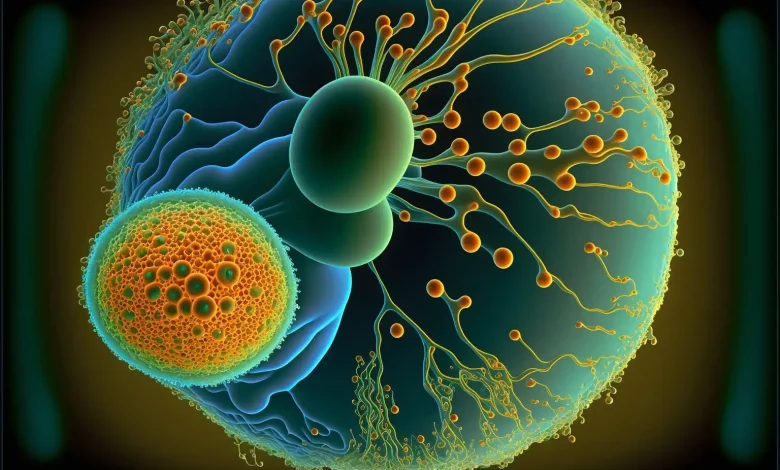
Stem cells are among the most remarkable building blocks of the human body. Their unique ability to develop into different specialized cell types has made them a cornerstone of modern regenerative medicine. From treating blood disorders to supporting tissue repair, stem cell therapy continues to transform healthcare worldwide.
At Liv Hospital, advanced stem cell treatments are helping patients manage complex conditions such as bone marrow failure and other serious hematological disorders. Understanding the fundamentals of stem cells is essential for patients exploring treatment options.
This guide provides a clear explanation of Stem Cell Overview and Definition, including their types, functions, and importance in modern medicine.
What Are Stem Cells?
Stem cells are special cells in the body that have the ability to develop into many different cell types. They serve as the body’s natural repair system by replacing damaged or aging cells.
Unlike regular cells, stem cells possess two defining characteristics:
- Self-renewal: The ability to divide and create more stem cells
- Differentiation: The ability to transform into specialized cells such as blood cells, nerve cells, or muscle cells
These qualities make stem cells essential for growth, healing, and tissue regeneration.
Why Are Stem Cells Important?
Stem cells play a vital role in maintaining healthy body functions.
Their primary functions include:
Tissue Repair
When tissues are damaged due to injury or disease, stem cells can help repair and regenerate affected areas.
Blood Cell Production
Stem cells in the bone marrow continuously produce:
- Red blood cells
- White blood cells
- Platelets
This process is critical for oxygen transport, immune defense, and clotting.
Medical Treatment
Stem cell-based therapies are widely used to treat several serious conditions, including:
- Bone marrow failure
- Leukemia
- Lymphoma
- Aplastic anemia
- Certain immune disorders
Their medical applications continue to expand through ongoing research.
Types of Stem Cells
There are several categories of stem cells, each with specific characteristics and uses.
Embryonic Stem Cells
Embryonic stem cells are derived from early-stage embryos.
They are considered pluripotent, meaning they can develop into nearly any cell type in the body.
Their versatility makes them valuable for research, although ethical considerations often limit their use.
Adult Stem Cells
Adult stem cells are found in mature tissues such as:
- Bone marrow
- Blood
- Fat tissue
- Skin
These cells are more specialized than embryonic stem cells but remain essential for tissue maintenance and repair.
Bone marrow stem cells are commonly used in transplantation procedures.
Induced Pluripotent Stem Cells (iPSCs)
These are adult cells that scientists reprogram to behave like embryonic stem cells.
iPSCs offer exciting potential because they combine flexibility with fewer ethical concerns.
They are widely used in advanced medical research.
How Stem Cells Work
Stem cells respond to signals from the body that indicate where repair is needed.
Once activated, they can:
- Divide rapidly
- Replace damaged cells
- Restore normal tissue function
- Support healing processes
In medical treatments, healthy stem cells may be transplanted into patients to replace diseased or damaged cells.
Stem Cell Therapy Explained
Stem cell therapy involves using stem cells to repair or replace unhealthy cells.
The process generally includes:
Collection
Stem cells are obtained from sources such as:
- Bone marrow
- Peripheral blood
- Umbilical cord blood
Preparation
The collected cells are processed and prepared for transplantation.
Transplantation
The healthy stem cells are introduced into the patient’s body.
Recovery
The transplanted cells begin producing healthy new cells.
This treatment is especially effective for blood-related disorders.
Stem Cells and Bone Marrow Failure
Bone marrow failure occurs when the marrow cannot produce enough healthy blood cells.
This can lead to serious complications such as:
- Severe anemia
- Frequent infections
- Excessive bleeding
Stem cell transplantation is one of the most effective treatments because it replaces damaged marrow with healthy blood-forming stem cells.
This allows the body to restore normal blood cell production.
Benefits of Stem Cell Treatment
Stem cell therapies offer several advantages.
Targeted Healing
Treatment focuses on repairing damaged tissues at the cellular level.
Potential Long-Term Results
Successful transplantation can provide lasting recovery for certain conditions.
Reduced Dependence on Symptom Management
Rather than only treating symptoms, stem cell therapy addresses underlying causes.
Challenges and Considerations
Despite their potential, stem cell treatments require careful evaluation.
Important considerations include:
- Patient eligibility
- Donor compatibility
- Risk of complications
- Recovery time
- Long-term monitoring
Specialized medical supervision is essential for safe and effective outcomes.
The Future of Stem Cell Medicine
Stem cell research is rapidly advancing.
Scientists are exploring new possibilities such as:
- Organ regeneration
- Neurological disorder treatment
- Diabetes management
- Heart tissue repair
These developments could significantly reshape future healthcare.
Final Thoughts
Stem cells represent one of the most promising breakthroughs in modern medicine. Their ability to regenerate tissue, restore healthy cell production, and support healing has opened new possibilities for treating serious diseases.
Understanding stem cells helps patients make informed healthcare decisions, especially when exploring advanced treatment options for bone marrow disorders.
With continued innovation and expert medical care, stem cell therapy is expected to play an even greater role in improving patient outcomes worldwide.


