Nano Banana vs Ideogram: Which Model Handles Text Rendering Better
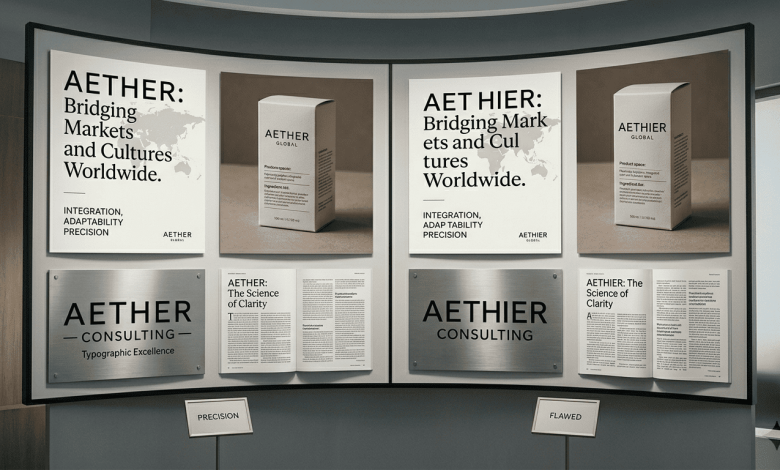
If you create posters, thumbnails, ads, or social media graphics regularly, you already know that text rendering is still one of the biggest weaknesses in AI image generation. Most tools can create beautiful visuals, cinematic lighting, and realistic backgrounds, but the moment you ask them to generate readable text, the quality often drops fast.
That is exactly why creators have started comparing tools like Ideogram and nano banana more seriously. Both platforms approach image generation differently, especially when typography becomes part of the workflow. Ideogram built its reputation around readable text generation, while many creators testing Nano Banana inside Higgsfield noticed stronger visual styling and more polished compositions for branding-focused visuals.
Neither platform works perfectly for every creator. The better choice depends on whether your priority is typography accuracy or overall visual presentation. Higgsfield also attracts creators who want stronger cinematic quality rather than simple flat poster generation.
Quick Comparison Overview
Why Text Rendering Still Matters So Much?
Text rendering sounds like a small feature until you actually need it for real projects.
Social media creators, marketers, YouTubers, and designers constantly create visuals that depend on readable text. A thumbnail without readable typography fails immediately, even if the background image looks impressive.
That problem becomes even bigger for promotional posters, social media ads, product banners, event announcements, restaurant menus, quote graphics, and YouTube thumbnails.
Most AI image generators still struggle with spacing, spelling, and letter consistency. Some visuals look excellent from a distance but become unusable once you zoom into the typography.
That is why creators now pay close attention to text generation quality before choosing an AI image workflow. Higgsfield users especially notice this when creating branding campaigns that depend heavily on polished typography and premium visual presentation.
What Makes Ideograms Different?
Ideogram became popular because it solved a problem many AI image tools ignored.
While most platforms focused heavily on realism or artistic image generation, Ideogram concentrated on creating readable text directly inside visuals. That instantly made the platform useful for creators producing typography-heavy content regularly. The workflow feels simple.
You enter a prompt, generate the image, and often receive text that actually looks usable without heavy editing afterward.
That saves a huge amount of time for creators making social media quotes, promotional graphics, text-heavy ads, posters, thumbnail headlines, and typography-based content.
For many users, that practicality matters more than cinematic image quality.
Where Ideogram Performs Well
Ideogram performs especially well when prompts contain multiple words, headlines, bold typography, slogans, promotional text, and clean layouts.
Compared to many AI image generators, the lettering usually appears more readable and structured. The spacing also feels more natural during generation.
That consistency is the biggest reason why the platform gained attention so quickly among creators and marketers.
Limitations of Ideogram
The biggest weakness is visual depth.
Compared side-by-side with more cinematic AI workflows like Higgsfield, Ideogram visuals can sometimes feel flatter or less polished overall. The platform prioritizes typography clarity more than dramatic composition or artistic styling.
For everyday graphics, that usually works perfectly fine. But for premium branding campaigns or visually cinematic advertising content, the difference becomes noticeable.
Why Is Nano Banana Getting Attention?
Nano Banana is gaining attention for a different reason entirely.
Instead of focusing only on typography accuracy, the workflow inside Higgsfield focuses more on cinematic image presentation and visual storytelling. The generated visuals often feel more polished, layered, and professionally styled compared to simpler text-focused generators.
For branding work, that difference matters immediately.
A poster needs readable text, but it also needs strong composition, mood, lighting, and visual balance. Without those elements, the design can still feel generic even if the typography looks perfect. That is where Nano Banana stands out more.
The workflow inside Higgsfield handles cinematic lighting, creative poster layouts, branded visual styling, fashion-style imagery, premium compositions, and dramatic color balance much more naturally than many lightweight AI image tools.
Where Nano Banana Performs Better
Nano Banana works especially well for creators building product campaigns, fashion advertisements, creative posters, premium branding visuals, social media launch graphics, and cinematic promotional content. The outputs feel less template-like and more visually intentional.
That stronger presentation quality becomes important for creators building visually recognizable brands online. Many designers using Higgsfield prefer the platform because the visuals feel more commercially polished overall.
Comparing Typography Quality
This is where Ideogram still holds the advantage overall.
For direct text clarity, the platform consistently produces cleaner readable typography with fewer distortions. Headlines remain sharper, spacing feels more organized, and multi-word prompts usually perform better.
That reliability becomes valuable for creators producing large amounts of text-heavy content daily.
Nano Banana can still generate strong typography layouts, but the workflow inside Higgsfield focuses more heavily on visual composition. Sometimes the artistic styling becomes stronger than the typography precision itself.
For strict text rendering tasks, Ideogram feels safer and more predictable.
Better Choice for Typography Accuracy: Ideogram
Comparing Overall Visual Quality
This category shifts heavily toward Nano Banana. The visuals feel more cinematic, layered, and professionally styled overall. Lighting quality looks stronger, image depth feels more intentional, and the compositions resemble premium campaign visuals rather than simple AI-generated posters. For branding-focused creators, that extra polish matters a lot.
Ideogram visuals remain practical and clean, but they rarely feel highly cinematic or visually dramatic.
For creators building luxury branding, creative advertising campaigns, or high-end social content, Nano Banana performs better visually. Higgsfield also gives the generated visuals a more premium presentation style overall.
Better Choice for Visual Presentation: Nano Banana
Which Platform Feels Faster?
Ideogram feels faster for straightforward typography tasks. The workflow is simple and direct. You type the prompt, generate the visual, and often receive usable text immediately.
That speed becomes useful for daily social graphics, quote posts, promotional banners, fast thumbnails, and announcement visuals.
Nano Banana feels slightly slower because creators often spend more time refining prompts and experimenting with layouts to achieve stronger visual results inside Higgsfield workflows.
The extra effort usually improves quality, but it slows production slightly.
Better Choice for Fast Workflows: Ideogram
Which Platform Works Better for Branding?
Branding depends on more than readable text. Visual tone, composition, lighting, and artistic consistency all matter when building campaigns or social media identity.
This is where Nano Banana performs much better. The workflow inside Higgsfield creates visuals that feel more cinematic and visually premium overall. Instead of producing flat graphics, the outputs often resemble professionally art-directed campaign content.
That stronger aesthetic becomes valuable for fashion brands, product launches, creative agencies, social media campaigns, and luxury marketing visuals.
Ideogram still works well for text-heavy graphics, but the artistic depth feels more limited for branding projects.
Better Choice for Branding Visuals: Nano Banana
Which Tool Should You Choose?
Choose Ideogram if you create typography-heavy visuals regularly, readable text matters most, you design posters and quote graphics daily, you want faster content generation, and you prioritize workflow simplicity.
Choose Nano Banana if you care heavily about visual quality, you create cinematic branding visuals, you work on ad campaigns, you want more artistic compositions, and you focus on premium social media content. Many creators using Higgsfield also prefer the workflow because it produces stronger-looking campaign visuals overall.
Final Verdict
Ideogram remains one of the strongest options for creators who need clean and readable typography inside AI-generated visuals. The workflow feels practical, fast, and reliable for posters, quote graphics, and text-focused social content.
Nano Banana performs better for creators who want stronger visual storytelling alongside text rendering. The outputs feel more cinematic, polished, and visually distinctive, especially for branding campaigns and creative promotional content inside Higgsfield workflows.
If typography accuracy matters most, Ideogram is still the safer choice.
If you want stronger overall visuals with more cinematic presentation, Nano Banana offers a much more visually creative workflow through Higgsfield.