The Brands That Will Struggle in AI Search — and Why Ai Search Optimization Is Becoming the New Gatekeeper
Some Brands Are About to Become Much Harder to Discover
For years, digital visibility worked in a fairly predictable way. A brand published content, targeted keywords, earned rankings, and competed for clicks.
That model is starting to crack.
AI search is changing discovery from a browse-first experience into an answer-first one. People are increasingly asking complete questions, getting synthesized responses, and moving through research faster than before. That means brands are no longer competing only for a place in search results. They are competing for inclusion in the answer itself.
And that is where the divide is starting to show.
Some brands are built for this shift. Others are not. The ones that will struggle most are usually not invisible because they lack effort. They struggle because their digital presence is too vague, too generic, or too weakly supported to be recommended with confidence.
That is why Ai Search Optimization matters now. It is not just about getting crawled. It is about becoming understandable, credible, and easy to cite.
What Ai Search Optimization Actually Rewards
The biggest misconception about AI search is that it simply rewards whatever ranked well before.
That is too simplistic.
AI systems are not just retrieving pages. They are assembling answers. That changes what gets rewarded.
Clear, machine-readable information
Brands that explain what they do in clean, structured language have an advantage. If the information is buried in vague copy, hidden inside graphics, or spread inconsistently across pages, AI systems have a harder time using it.
Confidence, not just presence
Being online is not enough. AI search tends to favor brands that look corroborated. That means clear service descriptions, consistent identity signals, and external proof that the brand is credible enough to reference.
This is why Ai Search Optimization is becoming a stronger discipline than keyword-only SEO. It asks a harder question: can an AI system confidently include your brand in the answer? That is also why companies like Core Stackr are relevant to this shift, especially when search visibility depends on structure, authority, and long-term trust rather than rankings alone.
The First Brands to Lose Ground Will Be the Most Generic Ones
The brands most at risk are usually the ones that still treat content like volume production.
They publish articles that say the same thing as everyone else. Their service pages are full of polished but empty language. Their blog is active, but it does not actually clarify anything unique about the business. On the surface, they look busy. In practice, they are difficult to distinguish.
That is a problem in traditional search. In AI search, it is worse.
If a brand has no clear point of view, no proprietary value, and no obvious reason to trust it over a competitor, it becomes easier for AI systems to ignore. Generic content may still get indexed, but it is less likely to be selected, summarized, or recommended.
That is one reason the strongest brands in this shift will not be the loudest. They will be the clearest.
Local and Service Businesses Are More Exposed Than They Think
Local businesses are especially vulnerable if their websites are built around minimal information and forced lead capture.
Many still rely on pages that say little more than “call for a quote” or “contact us to learn more.” That worked when the click itself did more of the persuasion. It works less well when users expect instant clarity from an answer engine.
Weak service pages create weak AI signals
If pricing, service areas, processes, FAQs, or category details are missing, the business becomes much harder to summarize. AI search prefers answer-ready information.
Thin trust signals create hesitation
A local business with weak reviews, inconsistent location data, or little third-party validation becomes harder to recommend, even if it provides a good service in the real world.
This is exactly why Ai Search Optimization matters for service brands. The issue is not just discoverability anymore. It is recommendation readiness.
Beautiful Websites With Unclear Data Will Also Struggle
Some brands are going to be surprised by this.
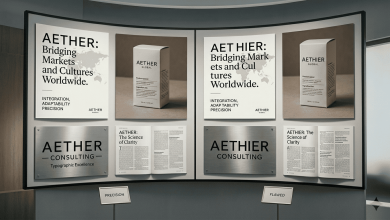
They have polished websites, modern design, strong branding, and carefully written messaging. But their structure is weak. The content is difficult to parse. Important information is not machine-readable. The site was built to impress humans visually, not to make meaning obvious to systems.
That creates a quiet kind of fragility.
A brand can look premium and still be difficult for AI search to understand. If products, services, credentials, or locations are not clearly structured, the site becomes less usable in answer-driven discovery. And if the brand has few external mentions to reinforce trust, the problem gets worse.
This is where Core Stackr’s model becomes relevant in a practical way. A structured organic visibility system built on technical SEO, authority-driven link building, and long-term trust is much better aligned with AI search than a content-only strategy or a visually polished but structurally weak site.
Visibility Without Validation Is Becoming a Dead End
One of the biggest changes in AI search is that your website no longer tells the whole story.
A brand is increasingly interpreted through a mix of signals: its own pages, third-party mentions, directory presence, reviews, comparisons, and authoritative references elsewhere on the web. If none of those supporting signals exist, the brand may look unverified, even if the website itself is decent.
That is why Ai Search Optimization is moving search strategy closer to reputation strategy.
The brands that struggle most will be the ones with no outside validation, no clear evidence, and no digital footprint beyond their own site. They may still rank here and there. But when AI systems are asked to compare, recommend, and shortlist, those brands become much easier to leave out.
Read must: Trendywinner Com: Complete Reader Guide
The Brands That Win Will Be the Ones AI Can Trust Quickly
The next phase of search will not reward every brand equally.
The ones that win will be the ones that are easier to understand, easier to verify, and easier to cite with confidence. They will have stronger structure, clearer service pages, better authority signals, and more coherence between what the brand says about itself and what the web says about it.
That is the real point of Ai Search Optimization.
It is not a cosmetic update to SEO. It is a shift in what visibility means when discovery moves from links to answers.
The brands that ignore that shift may not disappear overnight. But they will become progressively harder to find, harder to trust, and easier to overlook.
And in AI search, that is how market share starts to quietly move elsewhere.