Best Cooking Oils for a Healthy Heart: What to Look for When Buying Online
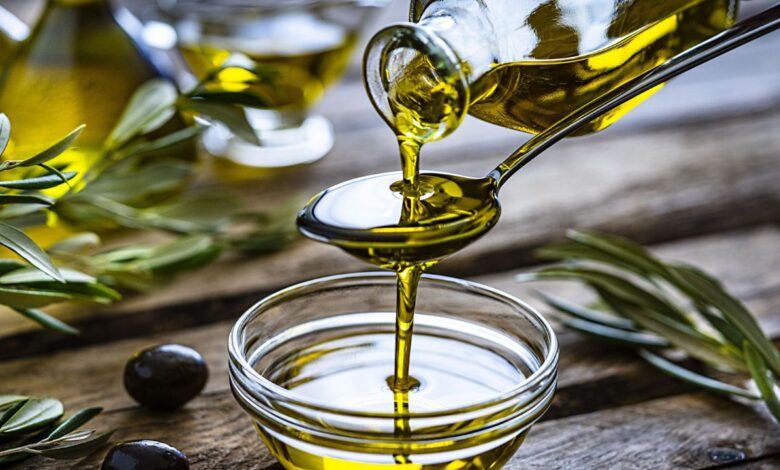
If you manage your kitchen supplies and buy stuff on a grocery app or otherwise, you know how crucial cooking oil is. It is a part of almost all finger-licking good recipes and can be used with anything, be it vegetables, eggs, meat, or sauces.
However, these oils greatly impact your heart health and cholesterol levels. So, you must make smart, informed choices.
Read on as we guide you towards healthier versions of your preferred cooking oil. We’ll also provide some insightful tips on picking the right cooking oils.
Cooking Oil and Fats
Understanding the different types of fats will take you a step closer to adopting a healthier lifestyle. These fats are typically present in your cooking oil. However, not all fats are bad.
If you study the back label of good-quality oils like the Saffola Tasty Oil, you’ll get a clear breakdown of the fat composition. Take a look:
- Saturated Fats: Frequent consumers of animal products know about this one. Saturated fats are present in palm oil, coconut oil and other tropical oils. It’s known to adversely impact your LDL Cholesterol levels. Thus inviting heart ailments when consumed in excess.
- Monounsaturated Fats: These fats raise your HDL or good cholesterol. It’s present in canola and olive oil and constitutes healthy fats. Hence, it’s a great addition to your diet when consumed in moderation.
- Polyunsaturated Fats: These are the fats your heart needs. In fact, Omega-3 and Omega-6 fatty acids are often also prescribed as supplements. Moreover, they’re known for having an anti-inflammatory effect on your body. You can find it in walnut oil or flaxseed oil at a grocery app.
Healthy Cooking Oils
Now that we know what fats our bodies prefer, let’s correlate them with our cooking oils. Below we’ve listed the most heart-healthy oils you can find on a grocery app.
- Olive Oil: It’s loaded with healthy fats and antioxidants, hence, it protects your heart. The best part is that you can pair it with pasta, dips, salads, and more.
- Avocado Oil: Not only is it healthy, but it also offers you a high smoke point. Thus, you can use it for grilling and cookouts too.
- Canola Oil: Providing you with a healthy dose of Omega-3 fatty acids, it’s a good addition to your pantry. Moreover, it’s ideal for stir-frying and baking.
Apart from these oils, you can also use flaxseed oil and walnut oil. Since they have a low smoke point, you can use them in salad dressings. What’s more? They also go well with cold smoothies!
Cooking Oils to Use Sparingly
You’ve probably heard this before, but palm oil is loaded with saturated fats. Hence, it’s best to avoid it for a well-functioning heart in the long run. Coconut oil, too, should be consumed in moderation for the same reason.
Tips for Choosing the Right Cooking Oils for Your Heart
Here are some tips for selecting cooking oils for your food:
- Look for the fat composition on the back label.
- Go for cold-pressed oils.
- Go for packaging with dark glass bottles.
- Look for quality certifications such as LOSORB on Saffola Tasty Oil.
Conclusion
Cooking oils determine your heart health in the long term, so choose only the best. You can purchase them from any local grocery app like the Swiggy Instamart.
Also Read: Ranitidine Tablets and Acidity: The Science Behind the Treatment