Isotonix Lawsuit: Understanding the Legal Challenges and Regulatory Issues

The supplement industry has faced increasing scrutiny in recent years, and the Isotonix lawsuit discussions have become a significant topic of interest for consumers and industry watchers alike. Market America, the parent company behind the Isotonix Lawsuit, has encountered various legal challenges and regulatory issues that have shaped conversations around supplement marketing and business practices.
Background and Company Overview
Market America Inc. and the Isotonix Brand
Market America Inc. serves as the parent company behind the Isotonix brand, which has gained recognition in the supplement industry. The company operates through a multi-level marketing (MLM) business model, distributing products through a network of independent distributors across various markets.
Understanding Isotonix Products
Isotonix products are isotonic powder supplements that claim to provide superior nutrient absorption compared to traditional supplement forms. These products are marketed as health and wellness solutions that dissolve in water to create an isotonic solution, which the company suggests allows for faster and more efficient nutrient delivery to the body.
The MLM Distribution Model
The company’s distribution strategy relies heavily on independent distributors who not only sell products but also recruit new distributors into their networks. This multi-level marketing approach has been central to the company’s growth strategy, but has also become a source of regulatory and legal scrutiny.
Key Legal Challenges and Regulatory Issues
FDA Regulatory Violations in 2020
The Food and Drug Administration issued a warning letter to Market America in 2020, highlighting several compliance issues that needed immediate attention. These violations included improper supplement labeling that failed to meet federal guidelines, creating confusion for consumers about product contents and intended uses.
One of the most serious concerns raised by the FDA was the company’s failure to report adverse reactions linked to Isotonix products. This requirement exists to protect consumer safety by ensuring that potential health risks are properly documented and investigated by regulatory authorities.
The FDA also identified issues with the supplement facts panel, including incorrect ingredient naming and formatting violations that could mislead consumers about what they were purchasing and consuming.
False Advertising Allegations
Various allegations have emerged regarding Market America’s marketing practices, particularly concerning unsubstantiated health claims. Critics argue that the company engaged in false advertising by exaggerating the health benefits of Isotonix products without providing sufficient scientific evidence to support these claims.
Some of the most concerning allegations involve medical claims that allegedly made Isotonix products sound like miracle cures for serious health conditions, including heart problems, cancer, and diabetes. Such claims, if proven, would represent serious violations of federal regulations governing supplement marketing.
The company’s assertions about superior absorption through their isotonic delivery system have also faced scrutiny, with questions raised about whether the claimed benefits are scientifically substantiated.
MLM and Pyramid Scheme Concerns
In 2017, legal action was initiated against Market America, with allegations that the company illegally operated a pyramid scheme. These allegations centered on claims that the company prioritized recruiting new distributors over actual retail sales to consumers.
The recruitment-focused approach has raised concerns among regulators and consumer protection advocates who argue that legitimate direct sales companies should derive most of their revenue from product sales rather than recruitment fees and ongoing distributor investments.
Truth in Advertising (TINA.org) investigated Market America’s income representations, examining whether the company provided realistic and accurate information about potential earnings for distributors.
Trademark and Brand Issues
In 2019, Market America faced additional legal challenges when a competitor company filed an Isotonix lawsuit alleging trademark infringement. The case claimed that Market America used the competitor’s logo in a way that could confuse customers and unfairly benefit from the competitor’s brand recognition.
This legal dispute had implications for the Isotonix brand’s credibility and highlighted the importance of proper trademark compliance in competitive markets.
Regulatory Response and Enforcement Actions
FDA Oversight and Requ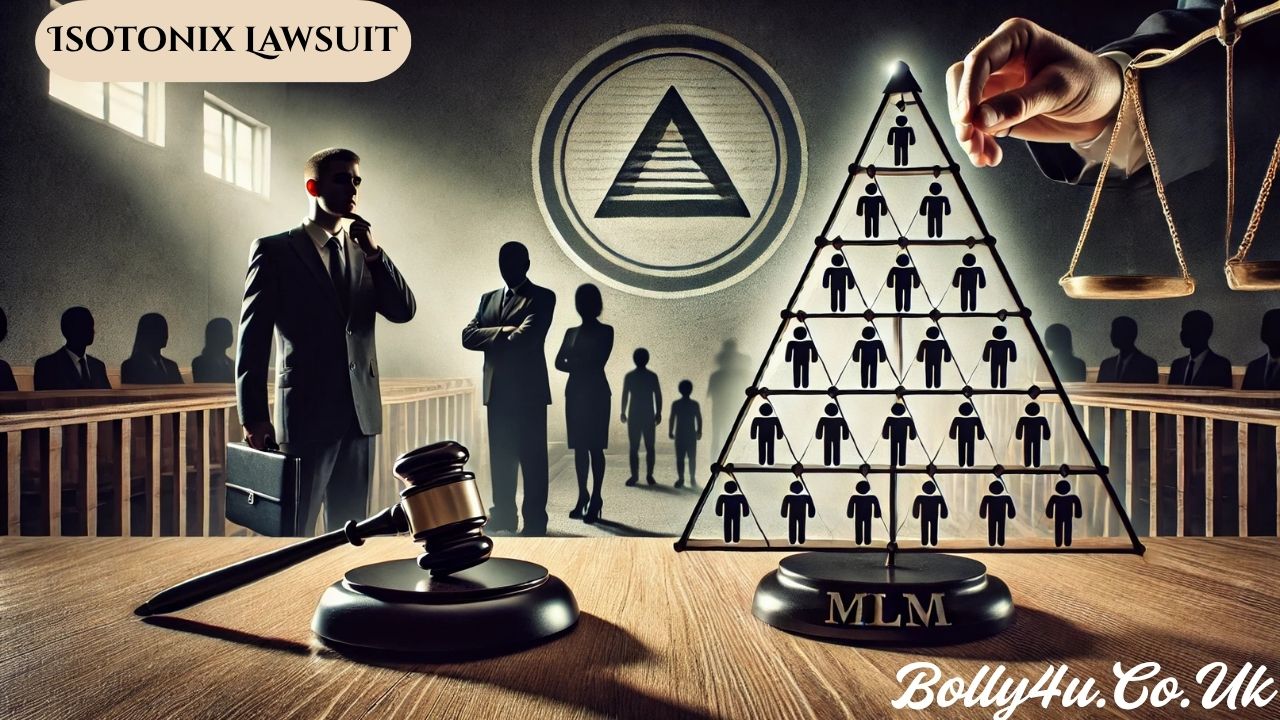 irements
Following the 2020 warning letter, Market America was required to take corrective actions to address the identified violations. The FDA has maintained enhanced oversight of the company’s supplement claims and marketing practices to ensure ongoing compliance with federal regulations.
The regulatory response represents part of a broader trend in the supplement industry, with agencies taking more aggressive action against companies that make unsubstantiated health claims or fail to meet labeling requirements.
FTC Involvement in Consumer Protection
The Federal Trade Commission has also shown interest in the company’s practices, particularly regarding false advertising enforcement and unsubstantiated health claims that may violate FTC regulations. The FTC’s involvement reflects broader consumer protection measures aimed at ensuring that supplement companies provide accurate information to consumers.
Current Legal Status and Industry Impact
Ongoing Business Operations
Despite the regulatory challenges, Isotonix products remain available for purchase, and the company continues to operate its business model. Customers can still access these health and wellness solutions through the company’s distributor network and direct sales channels.
It’s important to note that there is no single, comprehensive “isotonix lawsuit” targeting the brand directly. Instead, the legal landscape consists of various regulatory actions, individual complaints, and ongoing compliance requirements that the company must navigate.
Broader Industry Implications
The regulatory actions against Market America represent part of a broader trend in the supplement industry, with agencies cracking down on misleading marketing practices and unsubstantiated health claims. This increased scrutiny has prompted many companies to reevaluate their marketing strategies and ensure better compliance with federal regulations.
The case serves as a cautionary tale for both companies and consumers about the importance of transparency in product formulation and marketing, highlighting the need for scientific substantiation of health claims.
Implications for Stakeholders
Impact on the Supplement Industry
The regulatory actions have led to increased scrutiny of health claims throughout the supplement industry. Companies now face enhanced oversight and must provide better scientific evidence to support their product benefits and marketing claims.
This has resulted in industry-wide adjustments to advertising strategies, with many companies investing more resources in clinical research and regulatory compliance to avoid similar issues.
Considerations for MLM Companies
The legal challenges have prompted closer examination of multi-level marketing business models, particularly regarding compensation structures and the balance between product sales and recruitment activities. Companies in this space now face pressure to demonstrate that their business models are based on legitimate retail operations rather than recruitment schemes.
Income disclosure requirements have become more stringent, with companies expected to provide more transparent and realistic representations of potential earnings for distributors.
Consumer Protection and Awareness
The regulatory actions have enhanced consumer awareness about supplement marketing tactics and the importance of critically evaluating health product claims. Consumers are now better informed about the need to verify product benefits and company practices before making purchasing decisions.
Lessons and Recommendations
For Industry Companies
Companies in the supplement industry should prioritize compliance with FDA labeling requirements and ensure that all health claims are backed by sufficient scientific evidence. Transparent business practices, including clear income and product disclosures, are essential for maintaining regulatory compliance and consumer trust.
For Consumers
Consumers should maintain a critical approach when evaluating health claims and seek independent verification of product benefits. Understanding FDA and FTC oversight responsibilities can help consumers make more informed decisions about supplement purchases and MLM opportunities.
Conclusion
The various legal and regulatory challenges surrounding the Isotonix lawsuit discussions highlight the complex landscape of supplement regulation and MLM business practices. While Market America continues to operate its business, the regulatory actions serve as important reminders about the need for transparency, scientific substantiation, and consumer protection in the supplement industry.
The ongoing developments in this case will likely continue to influence how supplement companies approach marketing and compliance, ultimately benefiting consumers through better product information and safer business practices.
Also Read: Discovering Red and White Magazine: Your Ultimate Digital Destination