Ranitidine Tablets and Acidity: The Science Behind the Treatment
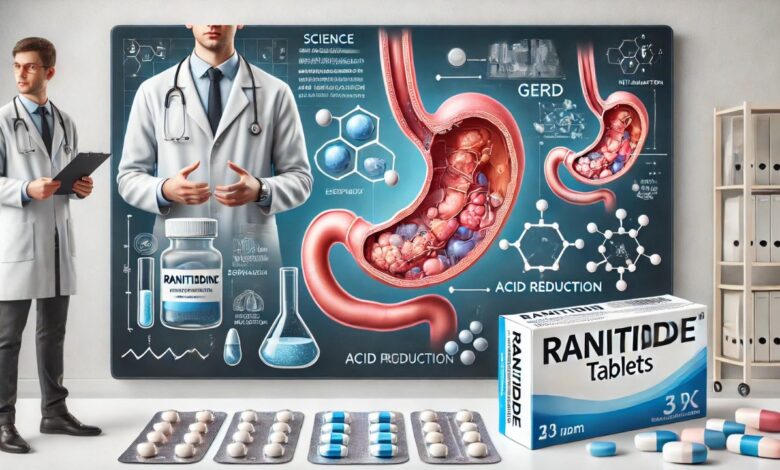
Heartburn, gastritis, and GERD are some of the conditions linked to acidity, which affects millions globally. Any discomfort caused by acidity had many people trusting ranitidine for quick and effective relief. But what exactly is it, and how did it work? This post covers how it works, the ranitidine tablet uses in clinical settings, and recent regulatory concerns that have changed its status in the healthcare world.
How Ranitidine Works to Reduce Acid Discomfort
Ranitidine belongs to a group of medications called H2 blockers. They block histamine at H2 receptors in the stomach lining, which results in a decrease in its acid production. If there is less acid, there will be less irritation and inflammation in the stomach and esophagus. Other medicines in this category include famotidine and cimetidine.
Because ranitidine was supplied in tablets, injectables, and effervescent form, it could be tailored to the needs of a range of treatment settings. It was given to patients with peptic ulcers, acid reflux, and indigestion since it provided prompt and regular symptom relief to many people.
Widespread Use in Gastrointestinal Disorders
A review found that in Western countries, 10 to 20% of the population suffered from GERD. Because it worked so well on burning and discomfort caused by too much stomach acid, ranitidine became the preferred medication. Using this medicine helped patients feel better fast and meant they could use it whenever symptoms occurred. This worked well for those with infrequent symptoms.
When patients prepared for surgery, many clinicians added ranitidine to their regimen since it could help cut down on stomach acid, a reason for complications like inhaling stomach acid.
Ranitidine’s Role in Paediatric Care
Ranitidine was also used as a pediatric medicine. Antacids were frequently prescribed to children who had gastritis and reflux by doctors. Ranitidine stood out as a quicker and safer choice for kids, unlike proton pump inhibitors (PPIs), which may be slower and have more potential side effects. Its usefulness was especially seen in critically ill children to avoid gastric problems. Giving it to children was easier because it was available in different formulations. Because of new regulations, doctors use newer treatments that are considered safer.
Concerns and Withdrawal from the Market
Even though ranitidine has been used for decades, its image suffered when it was found to contain the contaminant N-nitrosodimethylamine (NDMA). This chemical can form in the drug over time, especially when stored under certain conditions. It is known to be a potential cancer-causing agent. Ranitidine is being taken off the shelves because safety issues made the U.S. FDA recommend this action. People were told to throw away their medicines and talk to their doctor about better options.
Final Thoughts
Because the drug was fast and suitable for all ages, ranitidine used to be key in treating acid-related illnesses. However, healthcare must remain safe for patients. Although it is much less commonly used now because of safety concerns, ranitidine has greatly helped in treating gastrointestinal ailments. As science changes, the approach to healthcare changes as well, making sure patient well-being is at the heart of what is done.
Also Read: How to Navigate Health Insurance Websites: A Quick and Easy Guide